

Gearbox Repairs Fourways
Manual & Automatic Transmission Specialists
Gearbox Repairs Fourways & Surrounding Areas
Gearbox Repairs Fourways & Surrounding Areas
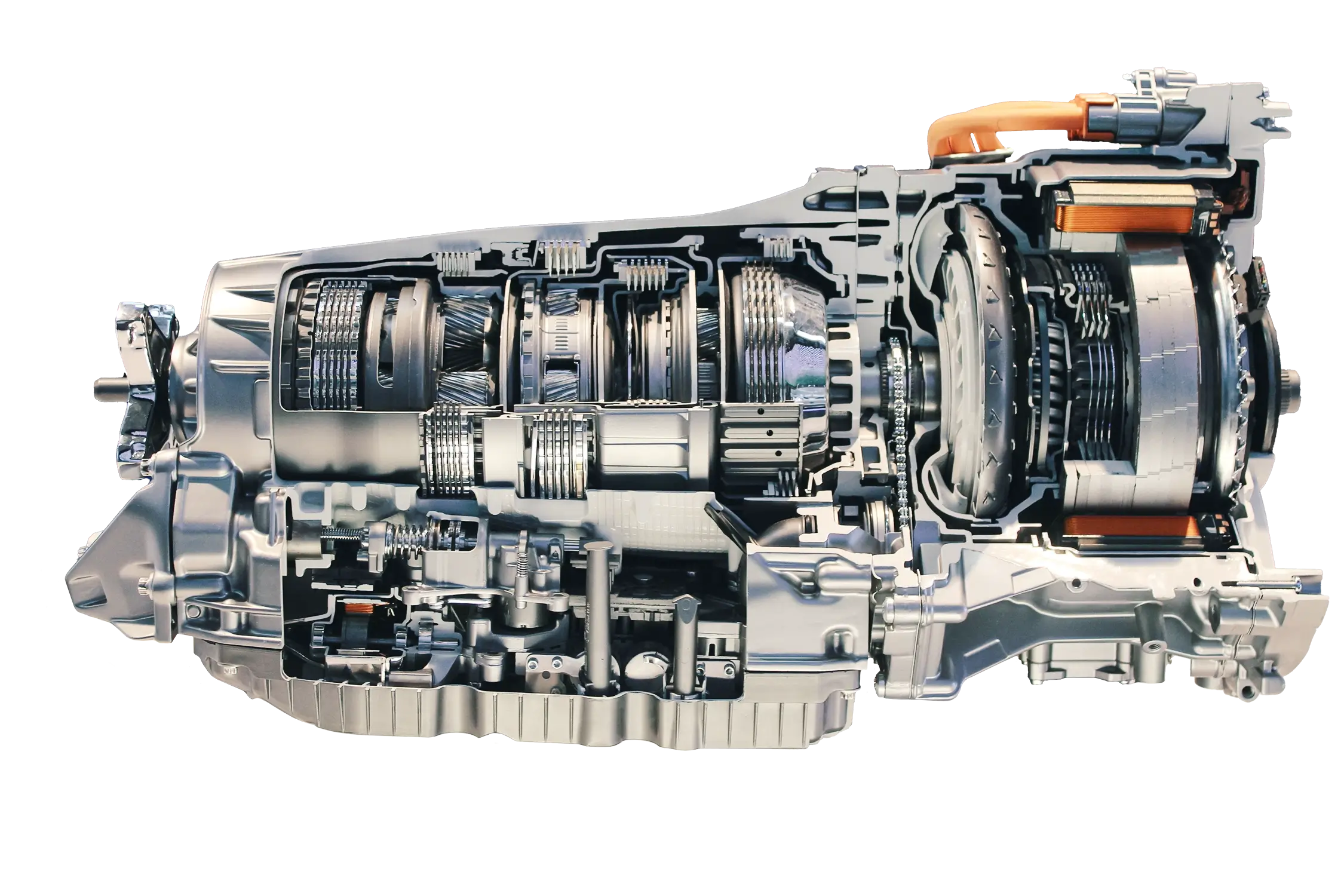
Your vehicle’s gearbox (transmission) is responsible for transferring power from the engine to the wheels efficiently. When it starts to fail, you’ll notice performance issues, strange noises, or difficulty changing gears.
At ASAP Motors, we specialise in gearbox repairs in Fourways, including automatic gearbox repairs, as well as servicing vehicles in Lonehill, Bryanston, Douglasdale, North Riding, Randburg, and surrounding areas. We work on all major vehicle brands, including Audi, BMW, Mercedes-Benz, Volkswagen, Toyota, Ford, Nissan, and more.
Whether you drive a manual or automatic vehicle, our team can accurately diagnose and repair gearbox problems to restore smooth performance.


Types of Gearboxes We Repair
Modern vehicles use different types of gearboxes. We diagnose and repair all of the following:
Manual Gearboxes
- Traditional gear systems requiring driver input
- Known for durability and lower maintenance costs
- Common issues include worn clutches, synchro failure, and gear slipping
Automatic Gearboxes (Torque Converter)
- Fully automatic shifting for smoother driving
- Uses hydraulic systems and fluid pressure
- Common issues include slipping gears, delayed shifting, and fluid problems
CVT (Continuously Variable Transmission)
- Provides seamless gear ratio changes
- Improves fuel efficiency and smoothness
- Common faults include belt wear, overheating, and juddering
Dual-Clutch Transmission (DSG / DCT)
Combines manual efficiency with automatic convenience- Fast gear changes and improved performance
- Common issues include mechatronic faults, clutch wear, and jerking
Signs You Need Gearbox Repairs
If you experience any of the following, it’s time to book a diagnostic:
- Difficulty changing gears
- Slipping gears or loss of power
- Grinding or whining noises
- Delayed gear engagement (especially in automatics)
- Fluid leaks under the vehicle
- Burning smell
- Warning lights on the dashboard
- Jerking or rough shifting
Gearbox problems worsen quickly if left untreated.
Our Gearbox Repair Services
At ASAP Motors, we offer a full range of transmission services:
- Gearbox diagnostics and fault finding
- Automatic gearbox repairs
- Manual gearbox repairs
- Gearbox oil (transmission fluid) replacement
- Clutch inspections and related repairs
- Minor gearbox repairs and component replacement
We focus on accurate diagnosis before recommending repairs.
 Why Choose ASAP Motors in Fourways?
✅ Gearbox and transmission specialists
✅ Manual and automatic gearbox expertise
✅ Only premium-quality parts and fluids used
✅ Accurate diagnostics and fault finding
✅ Reliable and long-lasting repairs
✅ Trusted workshop in Fourways and surrounding areas
✅ Honest, transparent pricing
We ensure your gearbox is repaired correctly the first time.
Looking for a More Comprehensive Service?
If your vehicle is due for a more in-depth inspection, you may need a major car service instead.
👉 View our Major Car Service in Fourways
You can also explore our full range of servicing options here:
👉 Car Service Fourways
Get in touch
Book Your Gearbox Diagnosis Today
Get in touch
Book Your Alternator Diagnosis Today

Why Choose Us
Putting Customers First, Every Repair, Every Time.
- Expertise and Skill
- Quality Parts and Equipment
- Safety and Reliability
- Warranty and Guarantee
- Value for Money
- Free Consultations
Common Gearbox Questions
Frequently Asked Questions (FAQs)
Common signs include delayed gear engagement, slipping gears, jerking during acceleration, and unusual noises. You may also notice the vehicle revving higher than normal without increasing speed. These issues are often linked to low or degraded transmission fluid, worn internal components, or electronic control faults. Early diagnosis can prevent complete gearbox failure, which is far more expensive to repair.
In many cases, gearboxes can be repaired if the issue is identified early. Problems like worn seals, faulty sensors, or minor internal wear can often be fixed without replacing the entire unit. However, severe damage—such as broken gears or extensive internal wear—may require a full rebuild or replacement. A proper diagnostic will determine the most cost-effective and reliable solution.
Transmission fluid should typically be replaced every 40,000 – 80,000 km, depending on the vehicle and gearbox type. Automatic gearboxes are especially sensitive to fluid condition, as the fluid is responsible for lubrication, cooling, and hydraulic operation. Neglecting fluid changes can lead to overheating, slipping, and long-term damage.
Gearbox failure can result from several factors, including lack of maintenance, low or contaminated transmission fluid, aggressive driving, overheating, and general wear and tear. In automatic gearboxes, electronic faults can also play a role. Regular servicing and early intervention are key to avoiding major failures.
It’s not recommended. Even minor gearbox issues can quickly escalate into serious damage. Driving with slipping gears or delayed engagement can increase wear and lead to sudden loss of drive, which can be dangerous. It’s best to have the vehicle inspected as soon as possible.
The time required depends on the complexity of the issue. Minor repairs or fluid changes can often be completed within a day, while more complex repairs may take several days. We always aim to diagnose quickly and provide a clear timeline before starting any work.
A traditional automatic gearbox uses fixed gears and a torque converter to change ratios, while a CVT uses a belt and pulley system to provide seamless, continuous ratio changes. CVTs are generally more fuel-efficient and smoother, but they require specific maintenance and can behave differently compared to traditional automatics.
A DSG gearbox (Direct-Shift Gearbox) is a type of automatic transmission that uses two clutches instead of one to change gears faster and more smoothly than a traditional automatic.
How a DSG Gearbox Works
A DSG is basically a mix between a manual and an automatic gearbox:
- One clutch controls odd gears (1, 3, 5, 7)
- The other clutch controls even gears (2, 4, 6)
While you’re driving in one gear, the next gear is already pre-selected.
👉 This allows near-instant gear changes with no noticeable delay.
Why DSG Gearboxes Are Popular
DSG transmissions are widely used in vehicles like Volkswagen, Audi, and some BMW & Mercedes-Benz models because they offer:
- Faster gear changes than traditional automatics
- Better fuel efficiency
- Smoother acceleration
- Sportier driving feel
- Option to drive in automatic or manual mode (tiptronic/paddle shift)
Common DSG Problems
Like any advanced system, DSG gearboxes can develop issues:
- Jerking or rough gear changes
- Delayed engagement
- Warning lights on the dashboard
- Mechatronic unit failure (electronic control unit)
- Clutch wear over time
These gearboxes require proper maintenance and correct oil changes to stay reliable.
DSG vs Normal Automatic
- DSG: Faster, more efficient, more performance-focused
- Traditional automatic: Smoother in slow traffic, simpler design
Simple Way to Think About It
👉 A DSG gearbox is like two manual gearboxes working together automatically—that’s why it shifts so fast.